Hormone Health for Men: Recognizing the Signs of Low Testosterone
Hormone Health for Men: Recognizing the Signs of Low Testosterone
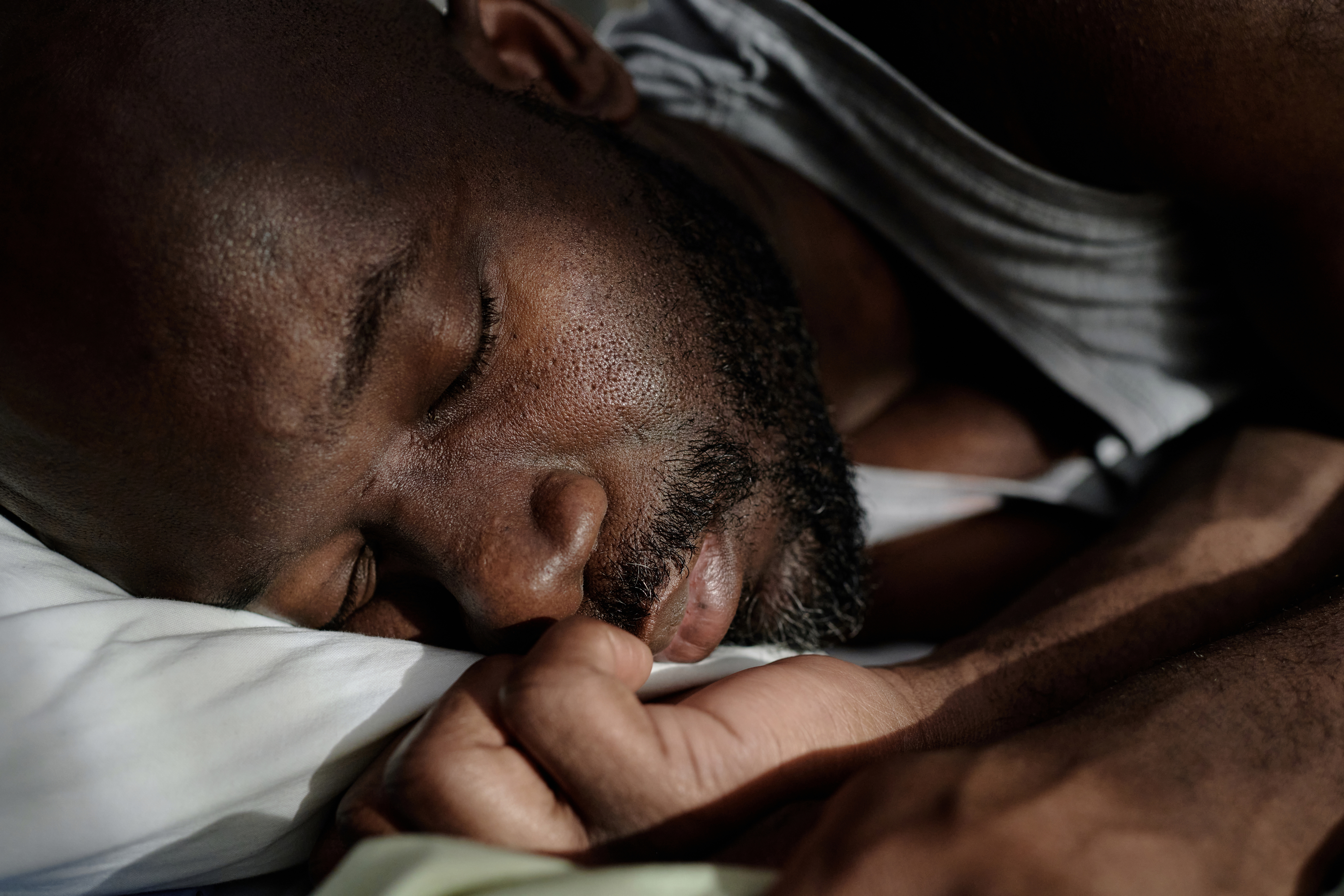
Stress and sleep are often treated as separate parts of health, yet they are deeply connected. Together, they play a central role in regulating hormones that influence energy, metabolism, mood, and long-term wellbeing.
When either one is out of balance, the effects tend to compound.
Understanding this relationship is key to improving both daily performance and long-term health.
How Stress Affects Hormones
When the body experiences stress, it releases cortisol. Cortisol is essential for short-term survival, helping regulate energy and alertness.
The issue arises when stress becomes chronic.
Over time, elevated cortisol levels can influence:
Sleep quality and circadian rhythm.
Blood sugar and metabolic function.
Energy levels and fatigue patterns.
Hormonal balance, including testosterone and thyroid function.
Chronic stress has been shown to disrupt multiple hormonal systems, particularly when recovery periods are limited.
The Role of Sleep in Hormone Regulation
Sleep is one of the most important recovery mechanisms the body has. During sleep, the body regulates key hormones responsible for repair, metabolism, and cognitive function.
Poor sleep can contribute to:
Reduced testosterone production.
Increased cortisol levels.
Disrupted appetite hormones.
Reduced mental clarity and focus.
Medical research has shown that sleep disturbances can directly affect hormone production and overall metabolic health.
The Stress–Sleep Cycle
Stress and sleep influence each other in a continuous cycle.
When stress increases, sleep quality often declines. When sleep declines, the body becomes more sensitive to stress. Over time, this cycle can lead to noticeable changes in energy, mood, and physical health.
Common patterns include:
Feeling tired but unable to fall asleep.
Waking frequently during the night.
Low energy despite adequate rest time.
Increased reliance on caffeine or stimulants.
Why Hormone Balance Matters
Hormones act as the body’s communication system. When stress and sleep are out of sync, this system becomes less efficient.
This can influence:
Metabolic health and weight regulation.
Mood and emotional stability.
Cognitive performance and focus.
Physical recovery and resilience.
Addressing hormone balance requires looking beyond a single symptom and understanding how systems interact.
A More Integrated Approach to Health
We approach hormone health by looking at the full picture. Stress, sleep, and lifestyle patterns all play a role in how the body functions day to day.
In practice, that often means focusing on:
Sleep quality and recovery patterns.
Stress management strategies.
Advanced testing where appropriate.
Personalized health planning based on individual needs.
This type of approach allows for more meaningful, long-term improvements rather than short-term fixes.
If you are experiencing ongoing fatigue, poor sleep, or signs of hormonal imbalance, we offer personalized assessments designed to help you better understand your health.
Care for women’s health concerns, including menopause, osteoporosis, PMS and PCOS, sexual-health concerns, and other hormone-related concerns, based on individual needs and goals.
Care for men’s health concerns, including prostate health, sexual-health concerns, hormone-related concerns, and preventative screening based on individual needs and goals.
Care for women’s health concerns, including menopause, osteoporosis, PMS and PCOS, sexual-health concerns, and other hormone-related concerns, based on individual needs and goals.
Care for men’s health concerns, including prostate health, sexual-health concerns, hormone-related concerns, and preventative screening based on individual needs and goals.