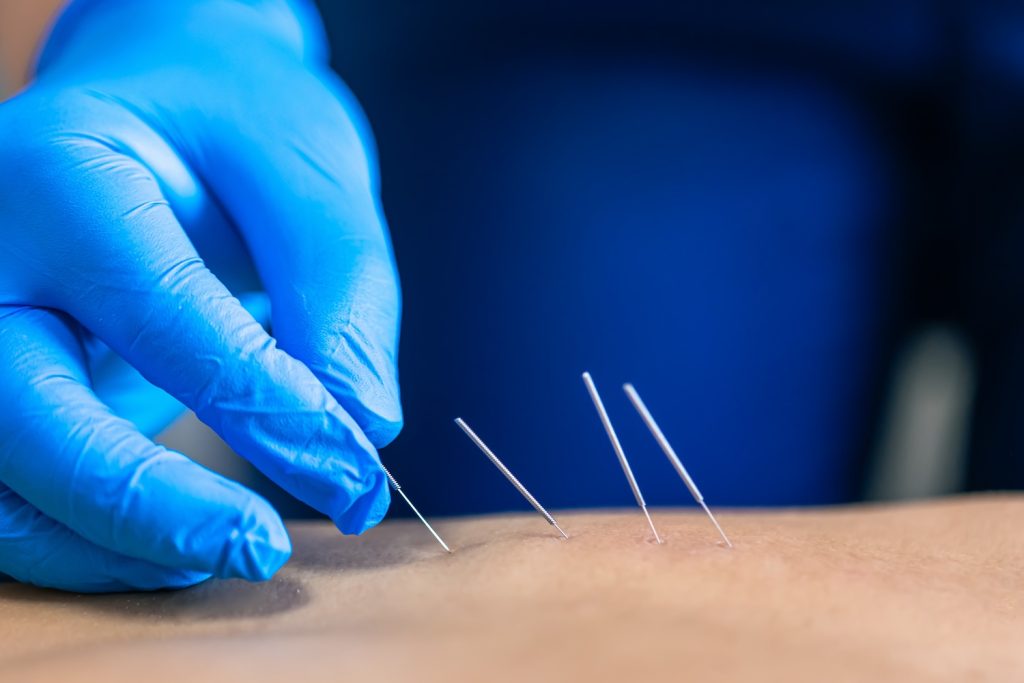
Dry Needling Therapy for Muscle Pain in Kelowna

Dry needling is a musculoskeletal therapy technique that may be used to address concerns such as muscle pain, tension, and dysfunction. This approach involves the precise insertion of thin needles into specific trigger points or tight muscles and may support relaxation, blood flow, and tissue mobility as part of a personalized care plan.

long-term family health care in kelowna
preventative health care in kelowna

Dry Needling

Dry needling is a technique that may be used as part of a broader pain-management plan, which may also include exercise, stretching, massage, or other supportive therapies.

During treatment, thin, solid needles are inserted through the skin to target underlying myofascial trigger points.

For some patients, dry needling may help reduce muscle tightness, support blood flow, and assist with local or referred pain concerns. The technique is called “dry” because no medication is injected.

Treatment for Pain and Soreness

Dry needling may be used as part of care for musculoskeletal pain and dysfunction, depending on a patient’s assessment and treatment plan.

1/3

Joint Issues

Joint pain can occur in different areas of the body. Dry needling may be considered as part of a care plan for certain joint-related pain concerns.

2/3

Tendonitis

Tendonitis is a condition where the connective tissues between your muscles and bones inflame. Often caused by repetitive activities, tendonitis can be painful.

3/3

Migraines and Tension-Type Headaches

Migraines and tension-type headaches can involve different
symptoms and contributing factors. Dry needling may be
discussed as part of a broader care plan for some patients
with headache-related muscle tension, depending on
assessment and suitability.

hormone supplements for menopause

Benefits of Dry Needling

Dry needling may support pain management and range of motion for some patients as part of a personalized treatment plan.

Muscle Relaxation

Dry needling may help reduce muscle tightness and support flexibility and range of motion.

Improved Blood Flow

Dry needling may support circulation in the treated areas and may be used as part of care for muscle and tissue recovery.

Reduced Muscle Tension

Needle insertion may help address trigger points and support a reduction in muscle tension or spasms for some patients.

holistic nutrition kelowna clinic

Why Choose Bailey Health

Your Journey to Holistic Health Begins Within.

How Dry Needling Works

Reasons to Get Dry Needling

Dry needling may be recommended for various musculoskeletal conditions and concerns.

Muscle Pain and Tension

Dry needling may be used to address muscle pain, tightness, and spasms. It may help reduce tension in specific muscles and support relaxation.

Myofascial Trigger Points

Myofascial trigger points are hyperirritable spots in muscles associated with palpable nodules or tight bands. Dry needling is used to target and deactivate these trigger points, potentially reducing pain and improving muscle function.

Chronic Pain Conditions

Individuals with chronic pain conditions, such as fibromyalgia or chronic low back pain, may consider dry needling as part of a comprehensive pain management strategy.

FAQ

Does dry needling hurt?

Some patients may feel discomfort during dry needling, especially when a trigger point is being located or treated.
Others may feel very little. Temporary soreness, tightness, or a twitch response can occur during or after treatment. Your provider will explain what to expect and give aftercare guidance, including movement or stretching recommendations when appropriate.

Who should not get dry needling?
Dry needling may not be appropriate for everyone. People who are pregnant, have a compromised immune system, have recently had surgery, take blood thinners, or are seeking treatment for a child should speak with a physician or qualified healthcare provider before receiving dry needling.
How should I prepare for dry needling?

Before treatment, your provider will review your medical history and perform an assessment to determine whether dry needling is suitable for your situation. They will explain the treatment, answer questions, and discuss what to expect. On the day of treatment, comfortable loose clothing may help provide access to the treatment area; a gown or covering may be provided if needed.

What should I do after a dry needling procedure?
After treatment, follow the aftercare instructions provided by your healthcare provider. Hydration and gentle movement may be recommended. Temporary muscle soreness or bruising can occur and usually resolves over time. Contact your provider if symptoms feel concerning or do not improve as expected.
Are there any side effects or complications of dry needling?

Possible side effects may include soreness during or after treatment, stiffness, bruising at or near the insertion site, fainting, or fatigue. Your provider can review potential risks and help determine whether dry needling is appropriate for your care plan.