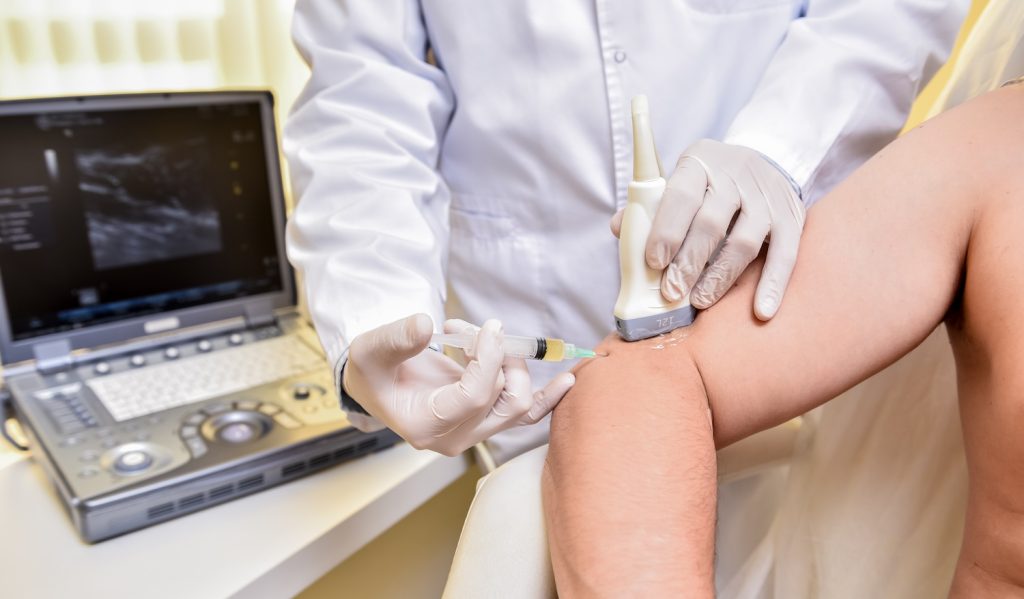
Injection Therapy for Joint and Muscle Concerns

Injection therapy is a non-surgical treatment option that may help support pain management and recovery for certain muscle, tendon, ligament, and joint concerns. This treatment uses components from a patient’s own blood, including platelets, which are involved in the body’s natural healing response. It may be considered for concerns such as tendon injuries, muscle strains, ligament sprains, or joint inflammation based on assessment and a patient’s care plan.

long-term family health care in kelowna
preventative health care in kelowna

Injection Therapy

Injection therapy is a medical treatment that uses a patient's own blood to prepare a platelet-rich product that may help support healing and pain management.

Platelets contain growth factors involved in tissue repair and may help support the body’s response to inflammation associated with concerns such as osteoarthritis or tendinitis. Individual responses vary, and any treatment plan should be based on assessment,
symptoms, and health goals.

Minimally Invasive Treatment

Compared with joint replacement surgery, injection therapy may offer a less invasive, non-surgical treatment option for some patients. Suitability depends on the condition being treated, the patient's assessment, and their overall care plan.

1/3

Reduce Pain and Symptoms

Platelets contain growth factors and other components involved in the body’s repair response. For some patients, injection therapy may help support pain and symptom management for joint or tendon concerns such as osteoarthritis or tendinitis.

2/3

Sports Injuries Recovery

Injection therapy may be considered for certain sports-related concerns, such as muscle strains, joint sprains, tendon injuries, or ligament injuries. It may be discussed alongside other care options, including rehabilitation, physical therapy, medication, or surgical referral where needed.

3/3

Improve Healing After Surgery

Injection therapy may be discussed before or after certain procedures to support recovery of muscles, tendons, or ligaments as part of a broader care plan. Its role depends on the injury, procedure, and the patient’s individual situation.

Injection therapy : reduce pain and promote healing

Benefits of Injection Therapy

Injection therapy for joints and muscle is associated with several potential benefits, and its use has gained popularity as a treatment option in orthopedics.

Longer Lasting Relief

Every patient is different. For some patients, injection therapy may support longer-term pain management or recovery goals when it is appropriate for the condition and used as part of a personalized care plan.

Minimal Downtime

Injection therapy usually involves less downtime than more invasive procedures. Activity guidance varies by treatment area and patient situation, and patients should follow the after-care instructions provided by their practitioner.

Natural Treatment

Because the treatment uses components from the patient’s own blood, it may reduce some risks associated with outside substances. It is a non-surgical option that may support healing and pain management using elements found naturally in the body.

holistic nutrition kelowna clinic

Why Choose Bailey Health

Your Journey to Holistic Health Begins Within.

How Injection Therapy Works

Reasons to Get Injection Therapy

People may consider injection therapy for joint or muscle concerns for a variety of reasons, including when other conservative care options have not provided enough relief or when injection therapy fits their assessment and care plan.

Chronic Joint and Muscle Pain

Patients who have not responded well to other treatments for ongoing pain, stiffness, limited range of motion, sleep disruption, or other limitations may wish to discuss whether injection therapy is appropriate. For some patients, targeted injection therapy may support pain management and joint function as part of a broader treatment plan.

Injuries From Sports or Exercising

Injection therapy may be discussed for certain sports or exercise-related injuries, such as tendinitis or ligament injuries. For some patients, platelet-rich plasma may help support the body’s healing response and pain management as part of a recovery plan.

Optimize Surgical Outcome

Injection therapy may be considered before or after certain procedures when it fits the patient’s assessment and care plan. It may be discussed as a supportive option for tissue healing, inflammation management, or recovery goals.

FAQ

Is injection therapy for joints and muscle painful?
Some discomfort can occur during injection therapy, although numbing medication may be used to help improve comfort. The level of discomfort varies depending on the treatment area and the individual patient.
How long does an injection therapy for joints and muscle session take?

The length of an injection therapy appointment varies, but it commonly takes about 30 minutes to an hour depending on the treatment area and the patient's care plan.

How soon can I see results after injection therapy for joints and muscle?
Results from injection therapy vary from person to person. Some patients may notice changes over several weeks, while others may take longer depending on the concern being treated, the severity of the injury, and their overall health. Your practitioner can help set realistic expectations for your care plan.
How many sessions of injection therapy for joints and muscle are needed?
The number of sessions varies depending on the condition, treatment area, and individual response. Some care plans may involve a series of injections spaced several weeks apart, while others may differ. Your practitioner will recommend a schedule based on your assessment and treatment goals.
Are there any side effects or downtime with injection therapy for joints and muscle?
Possible side effects may include temporary redness, swelling, bruising, soreness, or discomfort at the injection site. Downtime varies, and patients should follow the after-care and activity instructions provided by their practitioner.