
- Programs
- Treatments & Services
Treatments and Services
- Concerns
- Assessments
- About
- Take Action
- Contact





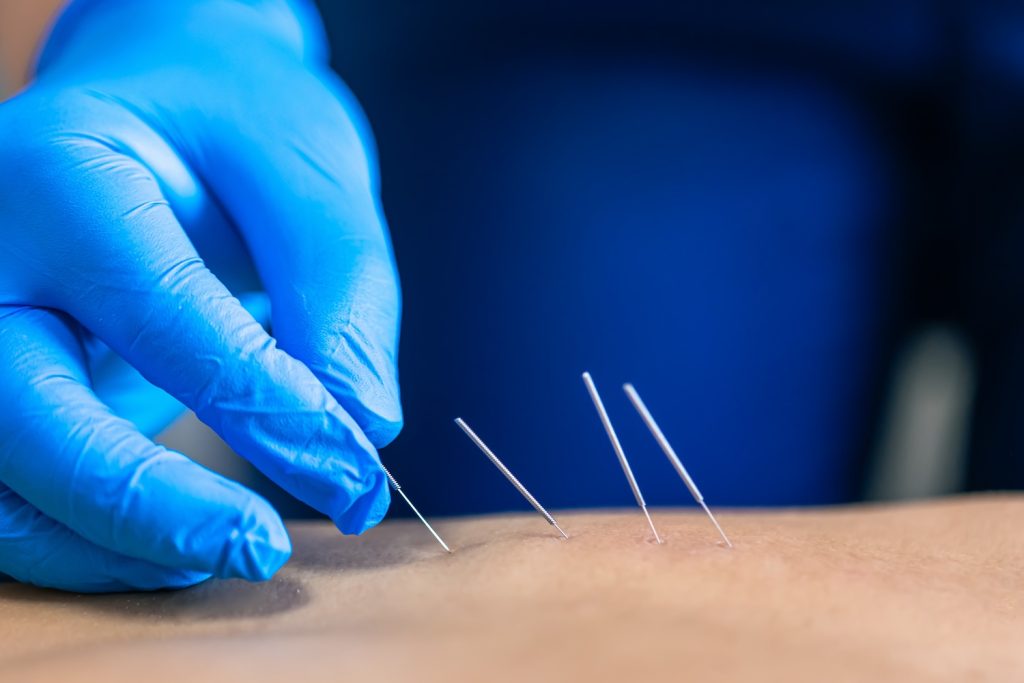



Trigger points are usually painful to the touch. Prior to the needling, it is possible to experience some pain while your healthcare provider is locating the trigger point.
You may also feel discomfort during the needling. Sometimes, people do not feel the needle going in because it is so small, but in certain cases, people will feel a prick. When the needle is in the trigger point, it can be painful and cause a twitch response. Afterward, you may feel tightness or soreness near the insertion site, but it is important to keep moving and stretching.
This procedure is not recommended for children under the age of 12 because it can be painful. Other groups who should consult with their physician before receiving dry needling include people who:
Before any dry needling treatment, your healthcare provider will go over your medical history and perform a physical exam. They need to determine if dry needling is right for you. If they think you are a candidate, they will explain how the treatment works and answer any questions you may have.
On the day of your treatment, you should dress comfortably in loose clothing. Wear something that allows your healthcare provider to easily access the treatment area. Otherwise, your provider will give you a gown or covering.
The most common side effect of dry needling is soreness during and after treatment.
Other side effects are typically minor. They may include: