Dry Needling vs. Acupuncture: What’s the Difference?
What Is Prolotherapy? Understanding Its Role in Musculoskeletal Pain
At first glance, dry needling and acupuncture can look remarkably similar. Both involve the insertion of very thin needles through the skin, and both may be used as part of care for certain types of pain.
That similarity understandably leads to a common question: is dry needling the same as acupuncture?
The short answer is no. While the two practices share some similarities, they differ in their clinical frameworks, how treatment areas are selected, and how they may be incorporated into a patient’s overall care.
Understanding those differences can make it easier to know what to expect if dry needling is recommended as part of a treatment plan.
What Is Dry Needling?
Dry needling is a technique used primarily to address musculoskeletal pain, muscle tension, and movement-related concerns.
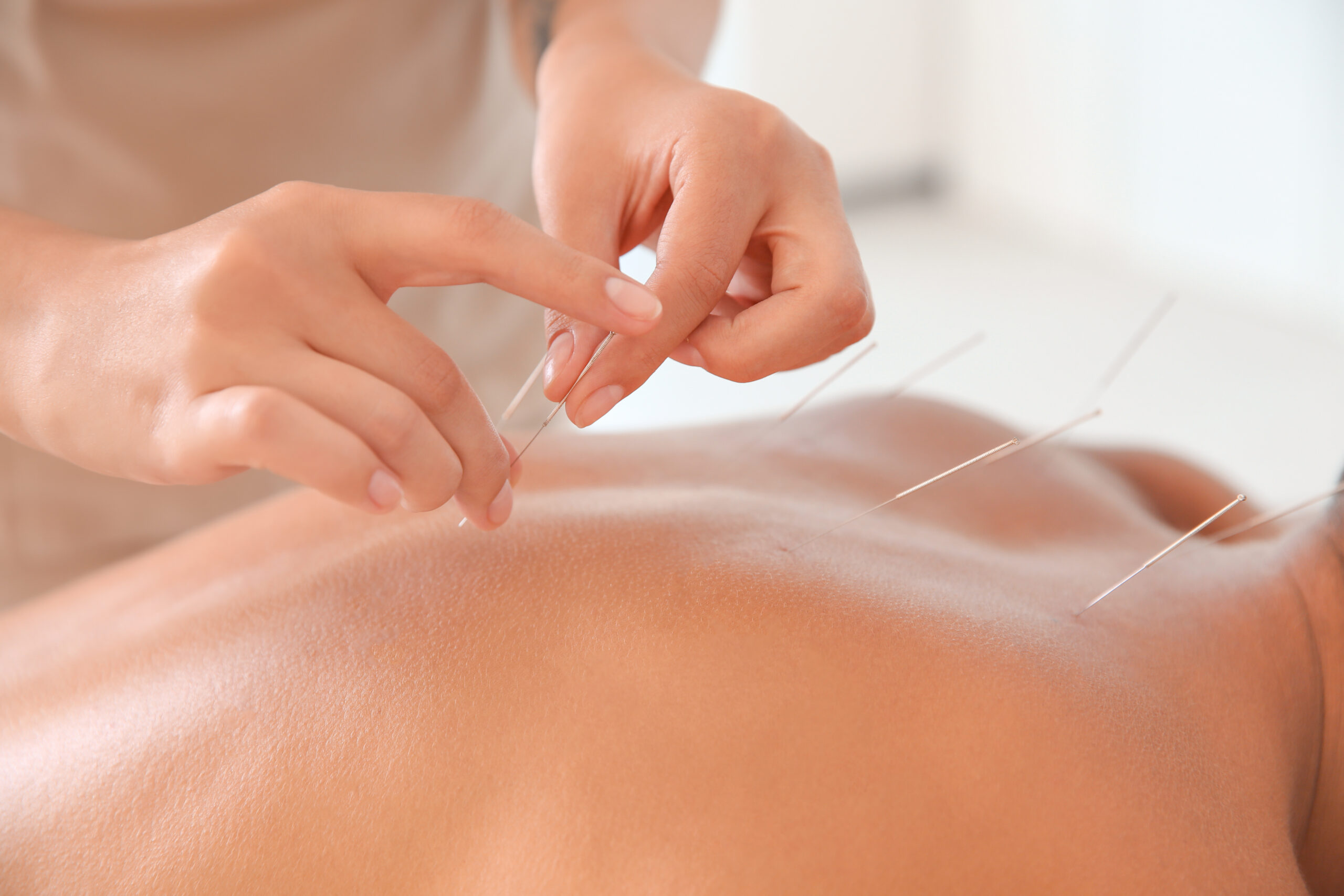
During treatment, a trained healthcare provider inserts a thin, sterile needle through the skin and into or near targeted muscle tissue or myofascial trigger points. The word “dry” simply means that nothing is injected through the needle.
Treatment is typically based on an assessment of the patient’s symptoms, movement, and musculoskeletal function. The provider identifies specific muscles or areas of tension that may be contributing to pain or restricted movement and determines whether dry needling may be appropriate.
At Bailey Health, dry needling may be incorporated into a broader pain-management plan alongside approaches such as exercise, stretching, massage, or other supportive therapies.
What Are Trigger Points?
Trigger points are commonly discussed when explaining dry needling.
A myofascial trigger point is a sensitive area within a taut band of skeletal muscle. Pressure or stimulation of the area may cause local tenderness or pain that is felt elsewhere (often called referral pain).
When dry needling is used to address a trigger point, the needle is inserted into the targeted muscle tissue. Some patients experience a brief muscle twitch or cramping sensation when the area is stimulated.
The goal is not simply to insert needles wherever someone feels pain. The treatment area is selected following an assessment and should form part of a broader plan based on the patient’s symptoms and needs.
What Is Acupuncture?
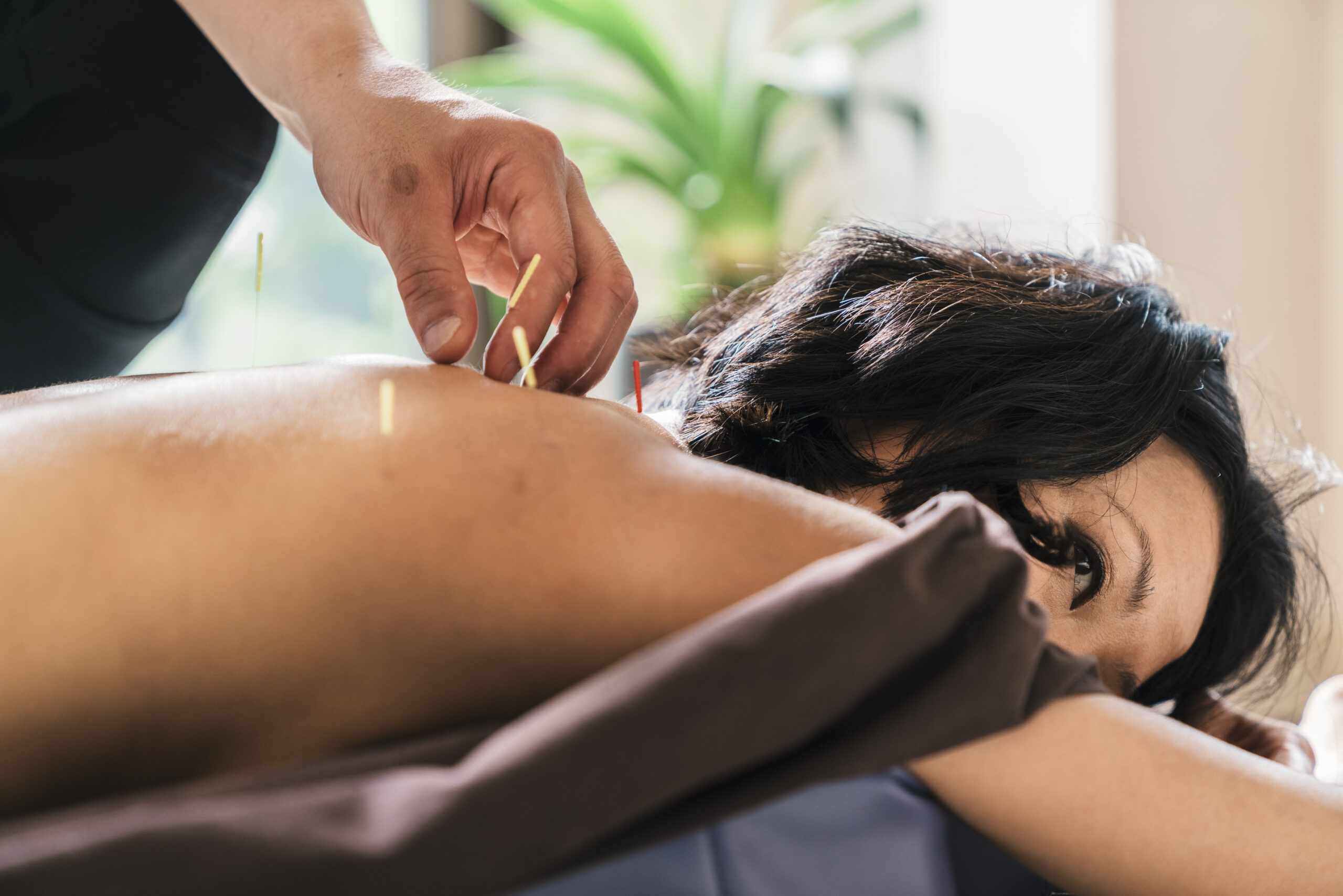
Acupuncture also involves inserting thin needles into specific areas of the body, but it comes from a different clinical history and can be practised according to different treatment frameworks.
Traditional acupuncture has roots in Chinese medicine, where acupuncture points are selected according to that system’s understanding of health and the body. Modern healthcare practitioners may also use acupuncture within biomedical or neuroanatomical frameworks.
Acupuncture can therefore cover a broader range of approaches and treatment goals depending on the practitioner’s training and the reason someone is seeking care.
This is one reason it is overly simplistic to say that acupuncture treats “energy” while dry needling treats muscles. Contemporary acupuncture is practised in several ways, including within conventional healthcare and rehabilitation settings.
What Is Dry Needling Used For?
Dry needling may be considered for certain musculoskeletal concerns involving pain, muscle tightness, or dysfunction.
Depending on the individual assessment, it may be incorporated into care for concerns such as:
Muscle pain and tension.
Myofascial trigger points.
Muscle tightness or spasms.
Certain joint-related pain concerns.
Some tendon-related concerns.
Muscle tension associated with certain headache presentations.
Some chronic musculoskeletal pain concerns.
Dry needling is not appropriate for every type of pain, and experiencing pain does not automatically mean that trigger points or tight muscles are the underlying cause. This is why an accurate assessment is key.
What Does Dry Needling Feel Like?
The experience can vary depending on the area being treated and the individual.
Because the needles are very thin, some people feel relatively little as a needle passes through the skin. When a targeted muscle or trigger point is stimulated, you may experience a brief twitch, ache, cramping sensation, or temporary discomfort.
Temporary soreness/stiffness can occur after treatment, similar to the feeling some people experience after exercise or other forms of musculoskeletal treatment. Bruising may occasionally occur around an insertion site.
Your provider should explain what to expect before treatment and provide appropriate aftercare instructions.
Is Dry Needling Used on Its Own?
Usually, the more useful question is how dry needling fits into the overall treatment plan.
Musculoskeletal pain can involve many contributing factors, including strength, mobility, repetitive loading, injury, movement patterns, and underlying health conditions. Addressing one tight muscle may therefore be only one component of care.
Dry needling may be combined with:
Exercise and progressive movement.
Stretching.
Manual or massage-based therapies.
Activity or movement modifications.
Other treatments appropriate to the patient’s condition.
This broader approach is important because reducing muscle tension temporarily does not necessarily address every factor contributing to pain or dysfunction.
Is One Better Than the Other?
Unfortunately, it’s not that simple.
Dry needling and acupuncture are distinct approaches, and the appropriate choice depends on the condition being addressed, treatment goals, practitioner assessment, patient preferences, and the broader plan of care.
For someone with a localized musculoskeletal concern involving specific muscles or trigger points, dry needling may be considered as part of treatment. Another patient may have different needs for which acupuncture or an entirely different approach is more appropriate.
Who Should Consider Dry Needling?
Dry needling may not be appropriate for everyone.
Before treatment, your provider should review your medical history and any factors that could affect the safety or suitability of needling. This can be particularly important for people who are pregnant, take blood-thinning medication, have recently undergone surgery, have certain immune-related concerns, or have other medical considerations.
Providing your healthcare provider with an accurate medical and medication history helps them determine whether dry needling is appropriate for you.
A Personalized Approach to Musculoskeletal Pain
Pain can have many causes, and the same treatment will not be appropriate for every patient.
Dry needling provides one option for addressing certain muscle and myofascial concerns as part of a broader treatment strategy. The first step is understanding what may be contributing to your symptoms and determining whether needling fits into your individual care plan.
At Bailey Health, we offerdry needling therapy in Kelowna as part of our personalized approach to musculoskeletal pain and health. If you’re experiencing persistent muscle pain, tension, or movement concerns,request an appointment to discuss your symptoms and available treatment options with our team.
Care for women’s health concerns, including menopause, osteoporosis, PMS and PCOS, sexual-health concerns, and other hormone-related concerns, based on individual needs and goals.
Care for men’s health concerns, including prostate health, sexual-health concerns, hormone-related concerns, and preventative screening based on individual needs and goals.