Muscle Mass and Healthy Aging: Why Strength Matters More as You Get Older
What Is Prolotherapy? Understanding Its Role in Musculoskeletal Pain
Persistent joint, tendon, or ligament pain can be frustrating, particularly when it begins to interfere with movement, exercise, work, or everyday activities.
One treatment you may encounter when exploring options for certain musculoskeletal concerns is prolotherapy. It is an injection-based treatment that may be considered for some people with chronic pain, joint instability, osteoarthritis, or injuries involving ligaments and tendons.
Prolotherapy has been used for decades, but it is also an area where the research continues to evolve. Understanding what the treatment actually involves, how it is intended to work, and what the evidence currently tells us can help you have a more informed conversation about whether it belongs in your care plan.
What Is Prolotherapy?
Prolotherapy, short for “proliferation therapy,” is an injection-based treatment used for certain musculoskeletal concerns.
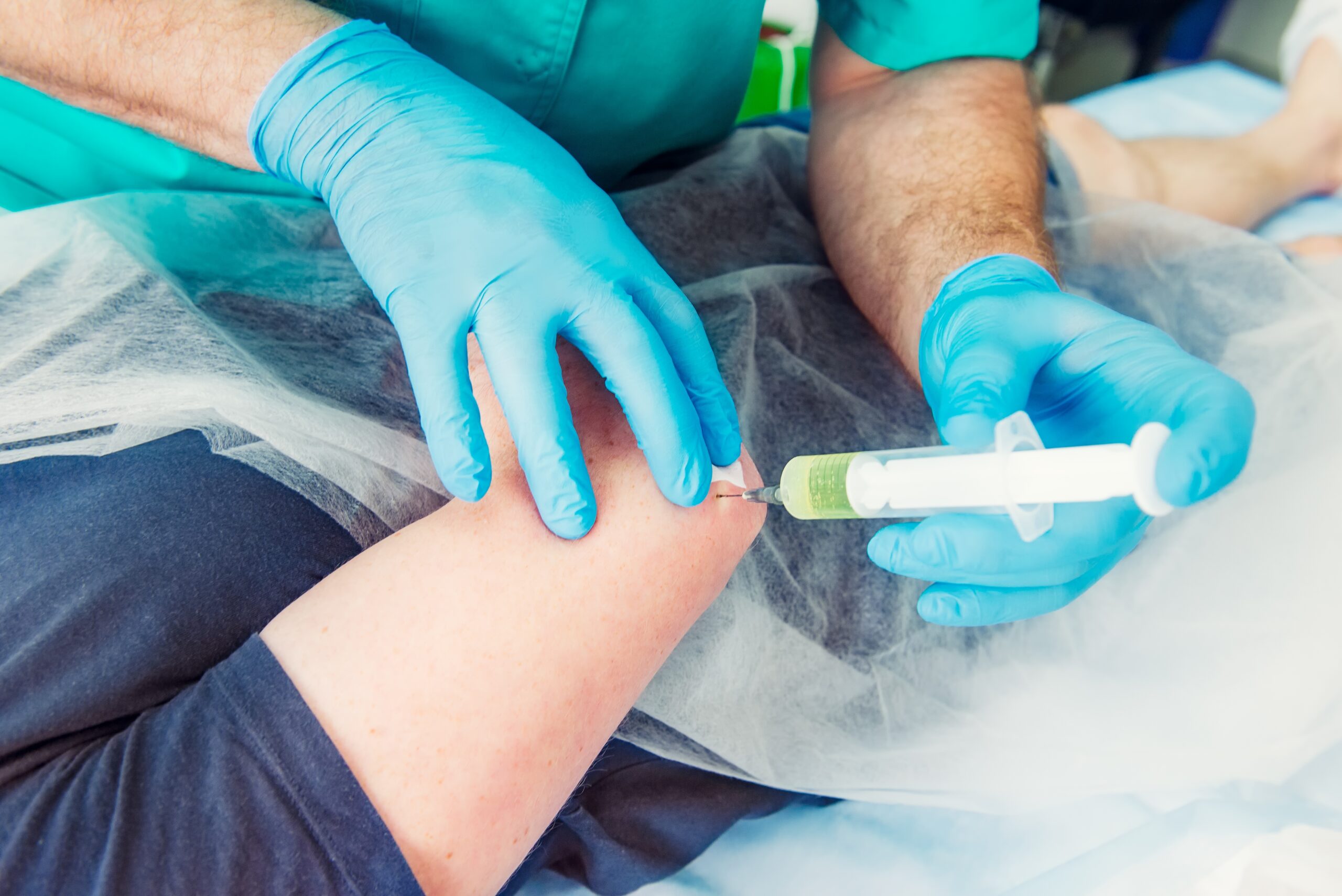
A healthcare provider injects a small amount of an irritant solution into or around a targeted ligament, tendon, joint, or other affected tissue. Dextrose, a form of sugar, is commonly used in prolotherapy solutions.
The treatment is intended to create a localized response that may support the body’s repair processes. It is sometimes grouped with regenerative or restorative injection therapies, although it is important not to interpret those terms as a guarantee that damaged tissue will regenerate or that symptoms will resolve.
At Bailey Health, prolotherapy may be considered as one component of a personalized plan for certain chronic musculoskeletal conditions.
How Is Prolotherapy Thought to Work?
The proposed mechanism behind prolotherapy is different from an injection designed simply to numb an area or temporarily suppress inflammation.
When an irritant solution such as dextrose is injected into the treatment area, it is intended to stimulate a controlled local response. The theory is that this response may activate processes involved in tissue repair and healing.
Research into exactly how prolotherapy produces its effects is still ongoing, and the mechanism is not fully established.
This distinction matters. Prolotherapy should not be described as a treatment that definitively “rebuilds” ligaments, cartilage, or joints. A more accurate way to think about it is as a treatment intended to influence the local healing environment in selected musculoskeletal conditions.
What Is Prolotherapy Used For?
Prolotherapy may be discussed for certain conditions involving joints, tendons, ligaments, muscles, and other connective tissues.
Depending on the individual assessment, potential areas of use may include:
Certain chronic musculoskeletal pain concerns.
Ligament or tendon-related injuries.
Joint instability associated with ligament laxity.
Osteoarthritis, including some knee concerns.
Certain sports-related injuries.
Some presentations of chronic back or joint pain.
The presence of pain alone does not mean prolotherapy is appropriate. Musculoskeletal symptoms can have many different causes, and identifying what is contributing to the problem should come before selecting a treatment.
What Does the Research Say About Prolotherapy?
This is an area where careful wording is especially important.
A recent systematic review commissioned by the U.S. Department of Veterans Affairs examined dextrose prolotherapy across a range of musculoskeletal conditions. The review found that many available studies were small, treatment protocols varied considerably, and the certainty of evidence was often low or very low. Some conditions showed possible improvements in certain outcomes, while others showed little or uncertain additional benefit compared with other approaches.
In practical terms, that means prolotherapy should not be presented as a proven solution for every type of joint or musculoskeletal pain.
Evidence appears to vary according to the condition being treated, how the injections are performed, the comparison treatment, and the outcomes researchers measure. More high-quality research is still needed to clarify where prolotherapy may offer the greatest benefit.
That uncertainty is one reason individualized assessment matters.
How Is Prolotherapy Different From a Cortisone Injection?
Both treatments involve injections, but their intended purposes are different.
Corticosteroid injections are generally used to reduce inflammation and may provide pain relief for certain inflammatory musculoskeletal conditions.
Prolotherapy takes a different approach. Rather than using a corticosteroid to suppress inflammation, an irritant solution such as dextrose is used with the intention of stimulating a localized response.
Neither treatment is automatically better.
The more appropriate option depends on the underlying condition, the tissues involved, previous treatments, individual health considerations, and what the healthcare provider is trying to accomplish.
How Is Prolotherapy Different From PRP?
Prolotherapy and platelet-rich plasma, or PRP, are also sometimes grouped together because both involve injections used for musculoskeletal concerns.
The substances being injected are very different.
With prolotherapy, the injected solution commonly contains dextrose. PRP is prepared from a patient’s own blood and contains a concentrated portion of platelets.
The research base, proposed mechanisms, treatment protocols, availability, and costs also differ between the two approaches.
Patients comparing injection therapies should therefore avoid assuming that all “regenerative” injections are interchangeable.
What Happens During a Prolotherapy Appointment?
Treatment should begin with an assessment rather than the injection itself.
Your healthcare provider may review your:
Symptoms and how long they have been present.
Medical history.
Previous injuries or procedures.
Current medications and supplements.
Physical function and movement.
Previous treatments.
Relevant imaging such as X-rays or MRI scans, when available.
If prolotherapy is considered appropriate, the treatment area is cleaned and prepared before the solution is injected using a needle.
The number and location of injections depend on the condition being treated. Some patients may undergo more than one treatment session, with appointments spaced apart.
There is no universal prolotherapy protocol that applies to every patient.
What Can You Expect After Prolotherapy?
Some soreness or discomfort around the injection site can occur after treatment.
Other temporary effects may include:
Tenderness.
Bruising.
Localized swelling or irritation.
Temporary stiffness or discomfort.
How quickly someone returns to exercise or strenuous activity depends on the area treated, the individual, and the instructions provided by their healthcare professional.
Patients should follow the specific aftercare recommendations they receive rather than assuming that the same recovery plan applies to every prolotherapy treatment.
Are There Risks?
Like other injection-based procedures, prolotherapy is not risk-free.
Temporary pain, soreness, and bruising around the injection area may occur. Injection procedures can also carry less common risks such as infection or injury to nearby nerves, joints, or other structures.
The Veterans Affairs systematic review also found that evidence regarding adverse effects remains uncertain because safety reporting across studies has been limited.
Before treatment, your provider should discuss potential benefits, limitations, alternatives, and risks in the context of your own health.
Who Might Consider Prolotherapy?
Prolotherapy may be worth discussing when persistent musculoskeletal symptoms have not responded sufficiently to other approaches or when a healthcare provider believes a ligament, tendon, joint, or related structure may be contributing to the problem.
That does not mean it should automatically replace exercise-based rehabilitation, physiotherapy, medication, activity modification, or other established treatments.
In many cases, musculoskeletal care works best as a broader plan rather than a single procedure.
At Bailey Health, prolotherapy may be incorporated alongside other approaches based on a patient’s symptoms, assessment, treatment history, and goals. Bailey’s provider team includes a naturopathic doctor with additional training in advanced injection therapies and a clinical focus that includes chronic pain and prolotherapy.
A Personalized Approach to Musculoskeletal Pain
Persistent pain deserves more than a one-size-fits-all solution.
Prolotherapy offers another treatment option for selected musculoskeletal concerns, but the evidence is still developing and outcomes vary. The most useful question is therefore not simply, “Does prolotherapy work?” It is whether the treatment is appropriate for the specific condition, tissue, symptoms, and goals of the individual patient.
If persistent joint, tendon, ligament, or musculoskeletal pain is affecting your day-to-day life,request an appointment with Bailey Health to discuss your symptoms and determine which treatment options may be appropriate for you.
Care for women’s health concerns, including menopause, osteoporosis, PMS and PCOS, sexual-health concerns, and other hormone-related concerns, based on individual needs and goals.
Care for men’s health concerns, including prostate health, sexual-health concerns, hormone-related concerns, and preventative screening based on individual needs and goals.
Care for women’s health concerns, including menopause, osteoporosis, PMS and PCOS, sexual-health concerns, and other hormone-related concerns, based on individual needs and goals.
Care for men’s health concerns, including prostate health, sexual-health concerns, hormone-related concerns, and preventative screening based on individual needs and goals.