Treatments and Services
Osteoporosis causes bones to become weak and brittle — so brittle that a fall or even mild stresses, such as bending over or coughing, can cause a fracture. As your bones lose density and become more fragile, your risk of fractures increases. Osteoporosis-related fractures most commonly occur in the hip, wrist or spine.
The risk of developing osteoporosis increases as people grow older. At the time of menopause, women may lose bone mass quickly for several years. After that, the loss slows down but continues. In men, the loss of bone mass is slower. By age 65 or 70, men and women lose bone mass at the same rate.
Your bones are in a constant state of renewal — new bone is made, and old bone is broken down. When you’re young, your body makes new bones faster than it breaks down old bones, and your bone mass increases. Bone loss happens because your bones are in a constant state of remodeling. Throughout your life, your body removes older, damaged bone and replaces it with new bone. After the early 20s, this process slows, and most people reach their peak bone mass by 30. As people age, bone mass is lost faster than it’s created.
Maintain Balance and Delay Aging.
A lifelong lack of calcium plays a role in the resulting weaker bone density and the development of osteoporosis. Low calcium intake contributes to diminished bone density, early bone loss and an increased risk of fractures. Men and women between 18-50 need 1,000 milligrams of calcium a day. This daily amount increases to 1,200 milligrams when women turn 50 and men turn 70.
Vitamin D improves the body’s ability to absorb calcium and improves bone health in other ways. People can get some of their vitamin D from sunlight, but this might not be a good source if you live in a high latitude, if you’re housebound, or if you regularly use sunscreen or avoid the sun because of the risk of skin cancer.
As with food, in order to maintain healthy bones and avoid osteoporosis one should also be mindful of the other substances they consume—like alcohol, tobacco, and caffeine.
Here’s what experts recommend:
Exercise can help you build strong bones and slow bone loss. Exercise will benefit your bones no matter when you start, but you’ll gain the most benefits if you start exercising regularly when you’re young and continue to exercise throughout your life.
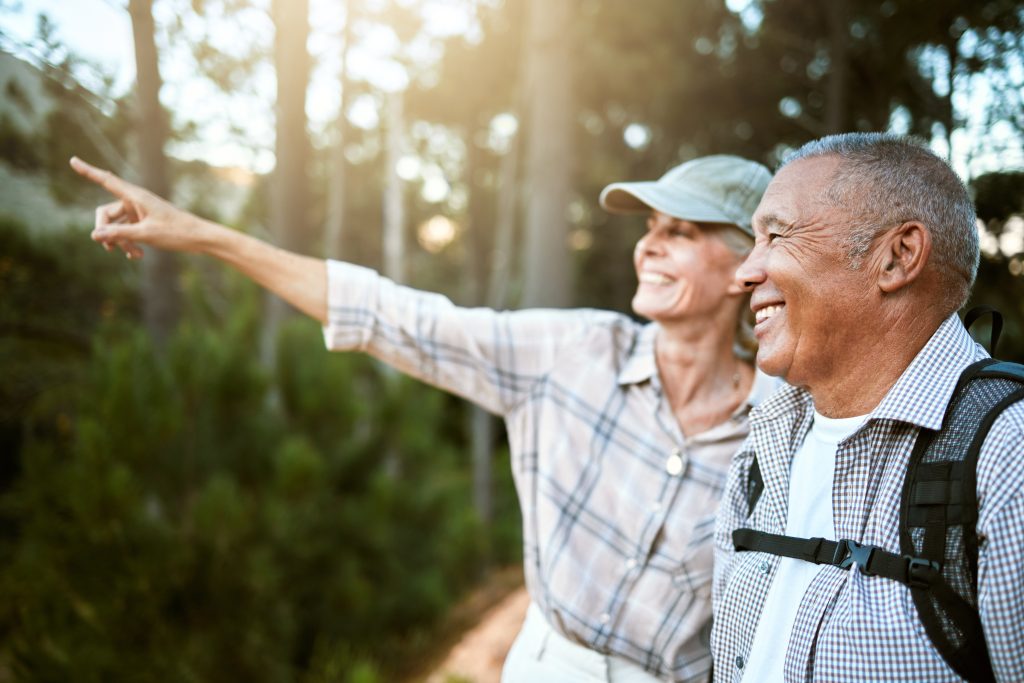
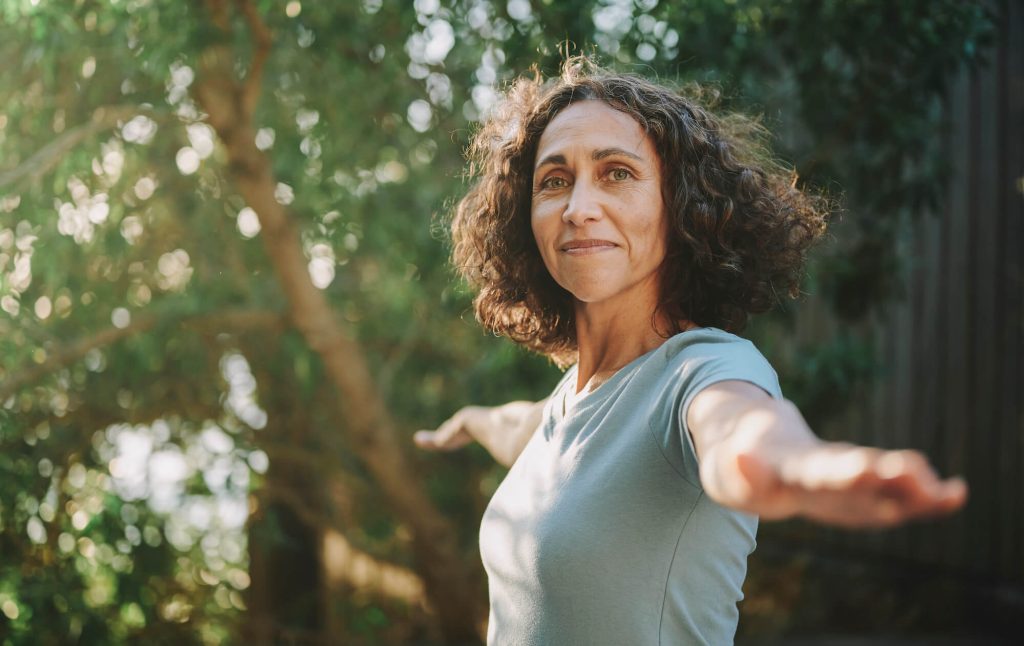
Combine strength training exercises with weight-bearing and balance exercises. Strength training helps strengthen muscles and bones in your arms and upper spine. Weight-bearing exercises, such as walking, jogging, running, stair climbing, skipping rope, skiing and impact-producing sports, affect mainly the bones in your legs, hips and lower spine. Balance exercises, such as tai chi, can reduce your risk of falling, especially as you get older.
It can help identify individuals who are at risk for osteoporosis and bone fractures, allowing for early intervention and treatment to prevent these conditions.
Find out about your bone health today by completing our short Bone Health Quiz.
Need more support? Request an appointment with Bailey Health to learn more about how you can proactively take charge of your bone health and prevent osteoporosis.
Bailey Health offers yearly subscription-based packages.
Our other programs include:
Health Longevity
Holistic Health & Wellness
Women’s Health
Men’s Health
Mental Acuity & Aging
Bioidentical Hormone Replacement Therapy
Health Longevity
Holistic Health & Wellness
Women’s Health
Men’s Health
Mental Acuity & Aging
Bioidentical Hormone Replacement Therapy